Roland Bourke
Commander Roland Bourke, VC, DSO (1885-1958)
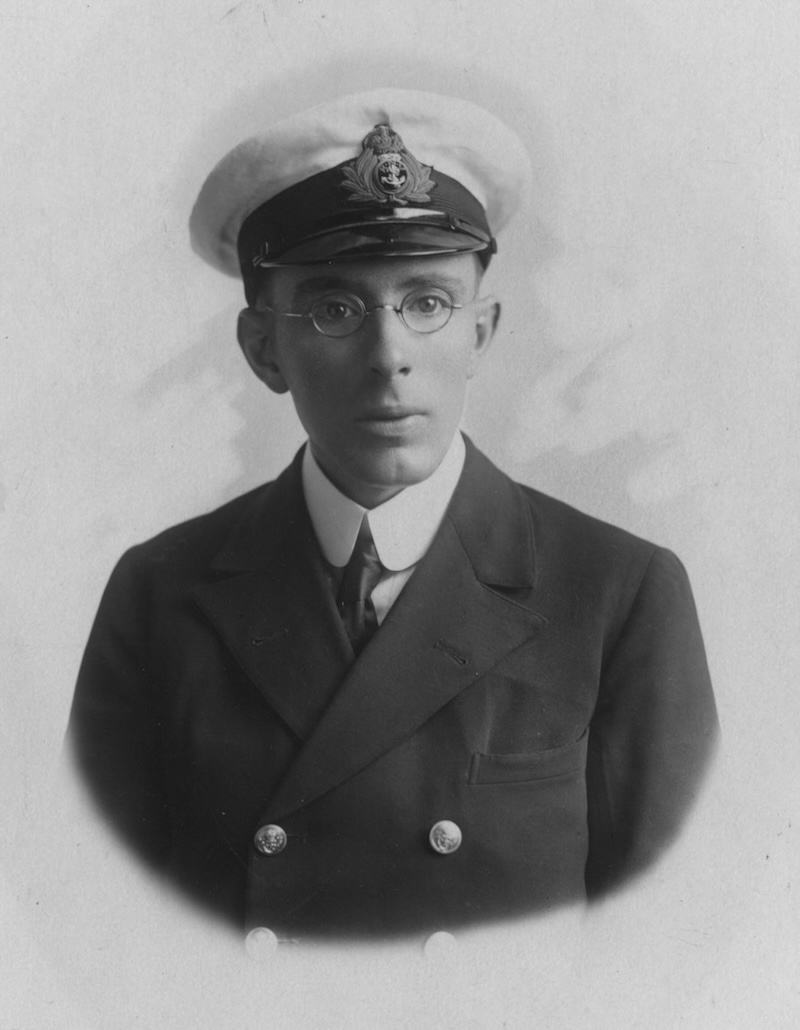
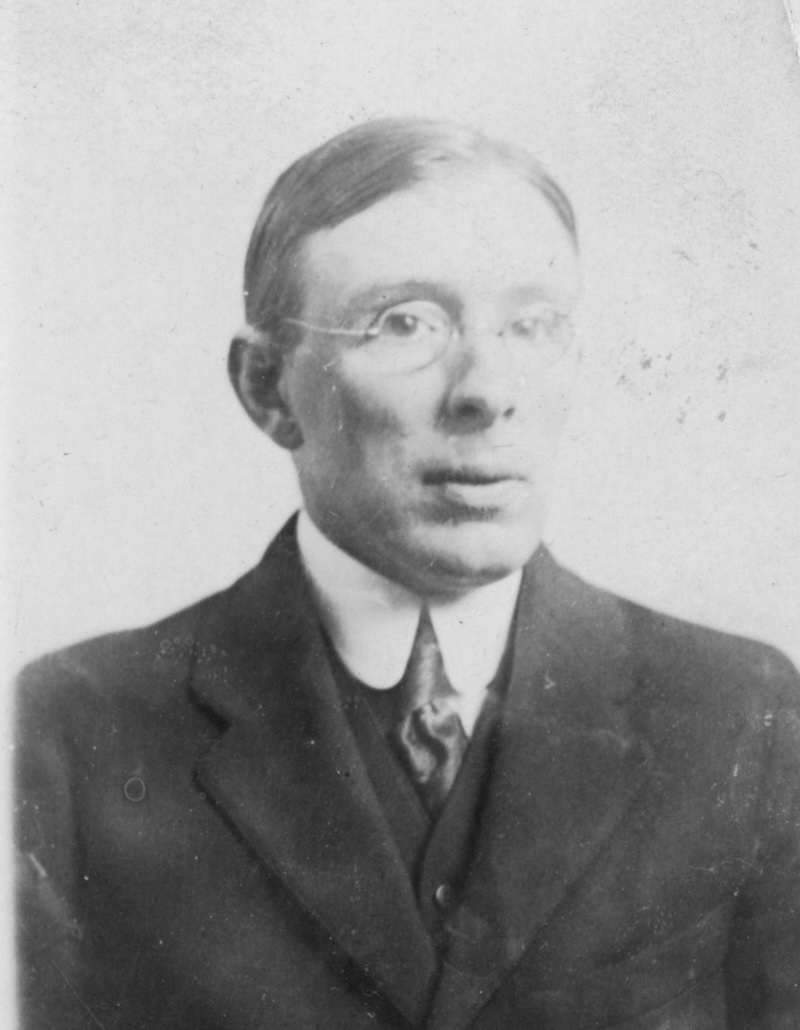
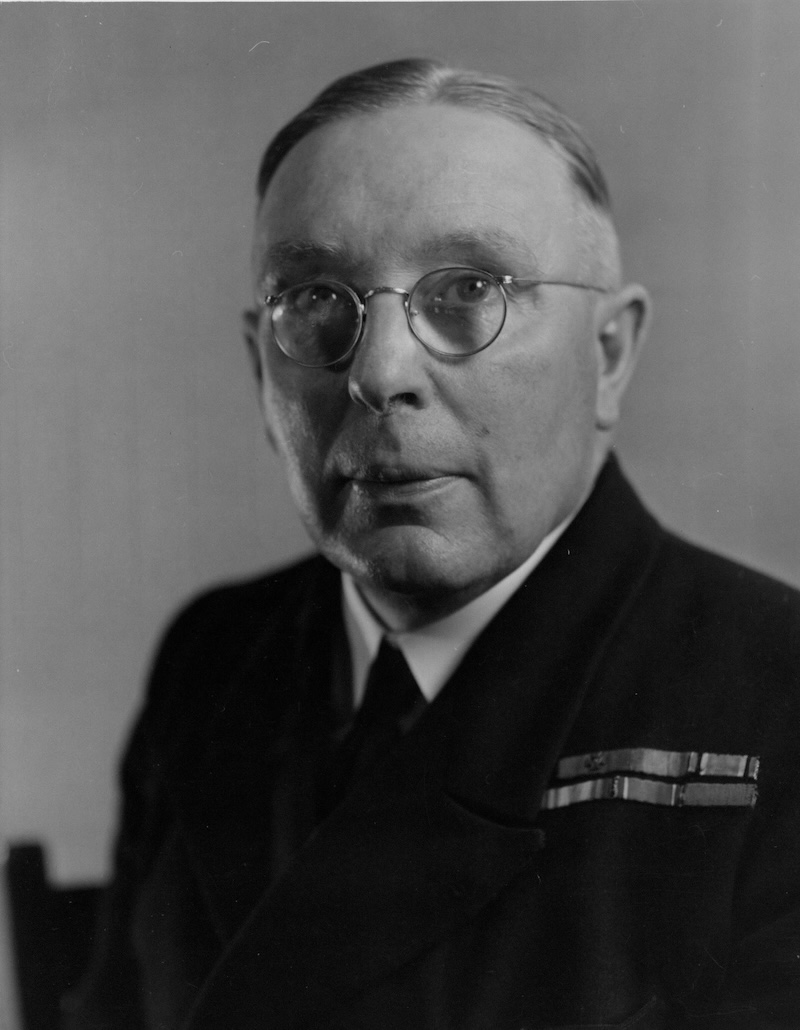
Photos courtesy of CFB Esquimalt Naval & Military Museum (VR2026.005)
Our second subject is Roland (often spelled Rowland) Richard Bourke, born November 28, 1885 in London England. His family was of the Irish Landed Gentry, specifically the Curraghleagh branch of the Bourkes of County Mayo. His father, Dr. Isidore McWilliam Bourke, served as Surgeon-Major in the British Army before establishing a medical practice in South Kensington. Dr. Bourke, a Victorian gentleman adventurer, went to the Klondike in the late 1890s. The rest of the family gradually joined him, including Roland with his mother and sisters. They arrived in 1902, after Roland finished his education in England. By 1906 the family had taken up fruit farming near Nelson British Columbia. A critical event for Roland occurred when his eyesight was damaged by an explosion while clearing tree stumps in 1907.
After war was declared in 1914, Roland tried to enlist in the Canadian army, navy and air service, but faced rejection because of his impaired vision. Undeterred, he travelled to England at his own expense and joined the Royal Naval Volunteer Reserve where he eventually served on motor launches. In April 1918, Roland rescued thirty-eight sailors during a block-ship operation. Remarkably, less than a month later he performed another rescue on another block-ship operation. This time his motor launch was hit 55 times. For his gallantry at these raids, Roland was awarded the Victoria Cross, the Distinguished Service Order, the French Legion of Honour and the Croix de Guerre. Roland was once described by the Admiral of the Fleet, Roger John Brownlow Keyes, 1st Baron Keyes, as “the bravest of all holders of the Victoria Cross”.
Following the war Roland and his new wife embarked on a lecture tour about his experience, travelling to Australia and New Zealand, where they had family. They returned to Nelson British Columbia to continue fruit farming. Roland and his wife moved to Esquimalt in 1932 where he took a job at HMC Dockyard Esquimalt. As another war loomed, Roland was instrumental in organizing the Fishermen’s Reserve, informally known as the Gumboot Navy. He was called to active service with the Royal Canadian Naval Volunteer Reserve in 1939. Though his eyesight prevented him from combat, he reached the rank of Acting Commander and held critical shore appointments. Roland retired in 1950, and was buried with full military honours in 1958.
The R.L. Bourke Collection at CFB Esquimalt Naval & Military Museum
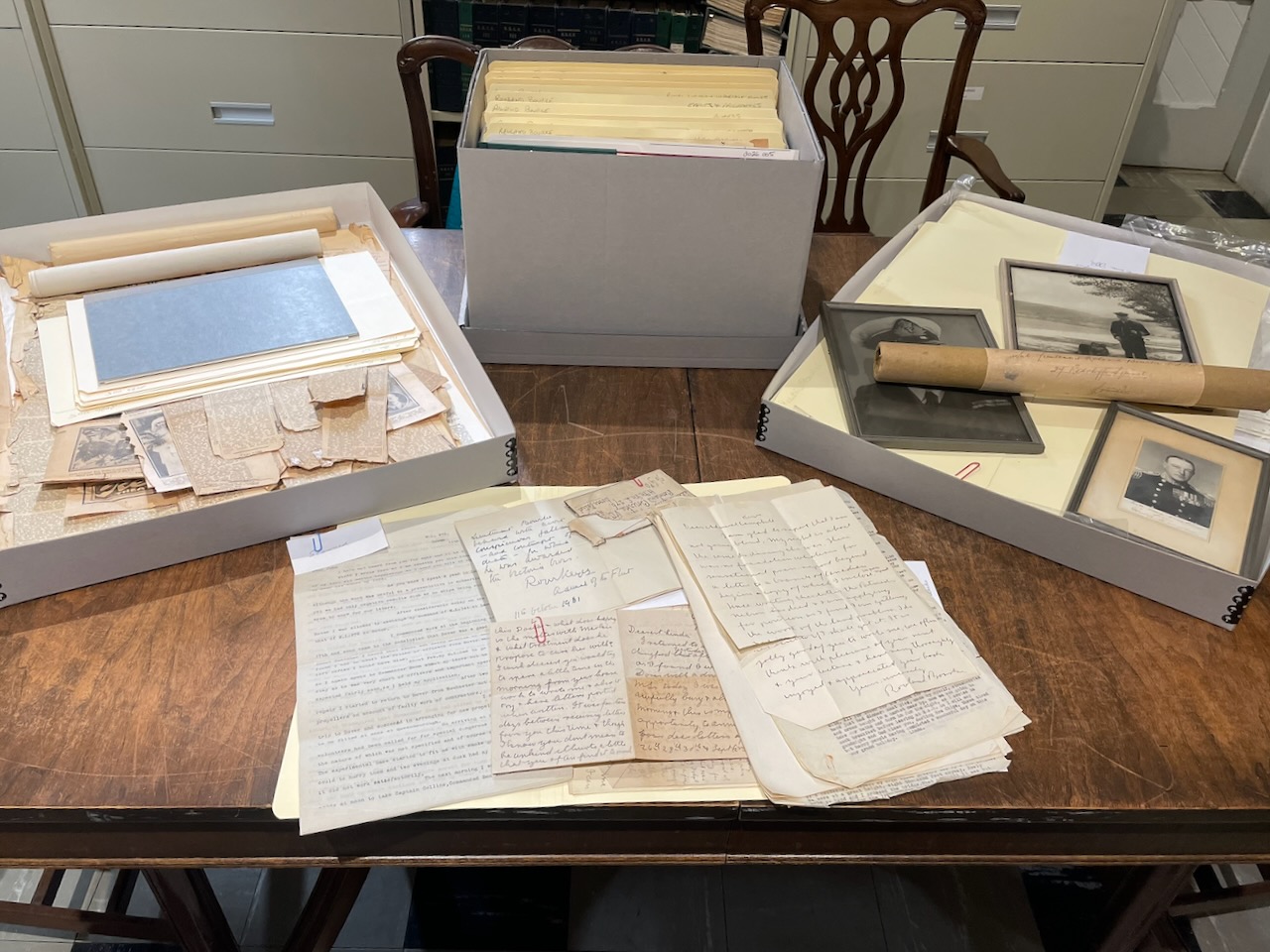
While he was serving in the First World War in Europe, Roland Bourke wrote letters to friends and family. A few of these letters were saved by his wife along with photographs and materials related to his lecture tour. Eventually, these were donated to the CFB Esquimalt Naval & Military Museum. In addition to the personal letters, the Bourke collection includes service certificates, newspaper clippings, portraits, a few family snapshots, and war photographs that Roland acquired immediately after the First World War to illustrate his lectures. There are also photographs documenting a trip to the UK to celebrate the 100th Anniversary of the Victoria Cross in June 1956. Roland and his wife were invited to the VC Centenary celebrations, which were presided over by Queen Elizabeth II and the Duke of Edinburgh.